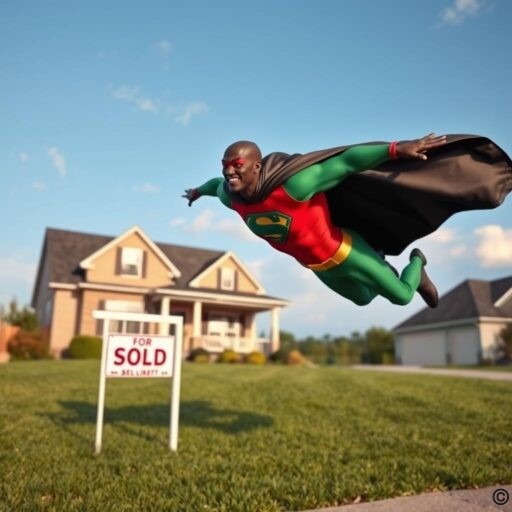
Being a landlord is less like a glamorous real estate mogul and more like a high-stakes, perpetual dating show. Your property is the star bachelor(ette), and every applicant is a contestant vying for a rose… or, more accurately, a lease agreement. And just like dating, finding “the one” — a good tenant — can feel like an impossible quest. But it doesn’t have to be.
Forget everything you’ve heard about endless background checks and rigid rules. The secret to attracting and retaining good tenants isn’t about being a gatekeeper; it’s about becoming a destination. Think of it this way: people don’t stay in relationships because of a long list of demands. They stay because they feel valued, respected, and happy. So, let’s apply that logic to your rental property.
Step 1: The “First Date” — Your Rental Listing
Your rental listing is your profile picture on the dating app of real estate. Is it blurry? Does it use a photo from three years ago? Is the description a vague, uninspired sentence? If so, you’re scaring away the good ones before you even get a chance to meet.
Don’t say: “1BR/1BA apt for rent. No pets. Credit check required.”
Instead, try something like: “Your future happy place awaits! This sunny one-bedroom is a cozy retreat with [mention a key feature like a private balcony or a recently updated kitchen]. We love people who are kind to their space and we’re looking for someone to make this place their home. [Gently mention the terms in a more human way, e.g., ‘We’re looking for a long-term resident, so a good credit history is important to ensure a smooth partnership.’]”
See the difference? One is a list of demands. The other is an invitation. You’re not just renting a space; you’re selling a lifestyle.
Step 2: The “Honeymoon Phase” — The Move-In Experience
The first 30 days are critical. This is where you set the tone for the entire relationship. Don’t be the landlord who hands over the keys and then vanishes into a puff of smoke, only to reappear when the rent is late.
Do this instead:
- Create a Welcome Kit: A small basket with a roll of paper towels, a fresh bar of soap, a local coffee shop gift card, and a note that says “Welcome home!” goes a long way. It’s a tiny gesture with a huge impact. It says, “I see you, and I appreciate you.”
- Be Proactive: Send a quick text or email a week after they move in: “Just checking in! Is everything working as it should? Let me know if you need anything.” This shows you’re not just a rent collector; you’re a partner in their housing journey.
Step 3: The “Long-Term Relationship” — Retention is Key
This is where you graduate from a good landlord to a legendary one. The goal is to make your tenants so comfortable and happy that the thought of moving feels like too much work.
How to get there:
- Fix things. Quickly. Nothing says “I don’t care about you” more than a leaking faucet that goes unfixed for three weeks. Respond promptly to maintenance requests. This is the single biggest factor in tenant satisfaction.
- Communicate. Like a human. If you need to enter the property, give ample notice. When rent is due, a friendly reminder is better than an aggressive demand. “Just a friendly reminder that rent is due on the 1st! Hope you’re having a great week.” is a lot more effective than “RENT IS LATE. PAY NOW.”
- Show appreciation. Once a year, consider a small gesture. It could be a holiday card with a small gift card to a grocery store, or a note thanking them for being such a great tenant. Small acts of kindness build loyalty.
The funny, slightly awkward truth is that being a good landlord is exactly like being a good partner. You listen, you communicate, you show up when things are broken, and you remember to appreciate the good things. If you treat your tenants with respect and kindness, they’ll treat your property with the same. And that, my friends, is a relationship worth investing in. Like, share, comment below.