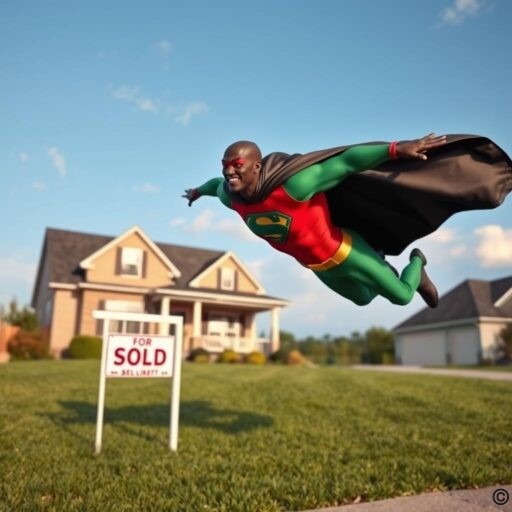
The rise of remote work has undeniably transformed the professional world, but its impact extends far beyond the digital workspace. It’s fundamentally reshaping the real estate landscape, influencing where people choose to live, the types of properties they seek, and the very fabric of our communities. These are the multifaceted ways remote work is changing the real estate market, with both challenges and opportunities.
From City Centers to Suburban Sprawl (and Beyond):
One of the most noticeable effects of remote work is the decentralization of the workforce. No longer tethered to central business districts, many are choosing to leave expensive, congested urban areas in favor of more affordable and spacious suburban or even rural locations. This exodus from city centers has several consequences:
- Increased Demand in Suburbs and Rural Areas: The shift in population has led to a surge in demand for housing in suburban and rural areas. This increased demand is driving up property values and creating new development opportunities.
- Revitalization of Smaller Towns: As remote workers relocate, they bring economic activity to smaller towns and communities, revitalizing local businesses and potentially reversing decades of population decline.
- Decreased Demand in City Centers (Potentially): While some major cities are still experiencing growth, others are seeing a decrease in demand for housing, particularly in high-priced downtown areas. This could lead to price adjustments and a rethinking of urban development strategies.
The Changing Face of Homeownership:
Remote work is also influencing the types of properties people are looking for:
- Home Offices are Essential: Dedicated home office space has become a must-have for many remote workers. Properties with flexible layouts and extra rooms suitable for office use are in high demand.
- Larger Homes and More Land: With more time spent at home, people are prioritizing larger homes with more living space, including backyards, patios, and gardens. The desire for more land and privacy is also driving demand in suburban and rural areas.
- Connectivity is Crucial: High-speed internet access is no longer a luxury; it’s a necessity for remote workers. Properties in areas with reliable broadband infrastructure are highly sought after.
- Amenities and Community Features: Remote workers are looking for communities that offer amenities like co-working spaces, fitness centers, and social gathering areas. The desire for connection and a sense of community is important, especially for those who no longer have a traditional office environment.
The Rise of the “Zoom Town”:
The term “Zoom Town” has emerged to describe smaller towns and cities that have experienced a surge in population due to the influx of remote workers. These towns often offer a lower cost of living, access to outdoor recreation, and a more relaxed lifestyle. However, the rapid growth of Zoom Towns can also bring challenges, such as:
- Housing Affordability: The influx of remote workers can drive up housing costs, making it difficult for long-time residents to afford to live in their own communities.
- Infrastructure Strain: Rapid population growth can put a strain on local infrastructure, including roads, schools, and utilities.
- Community Identity: The influx of new residents can sometimes lead to tensions between long-time residents and newcomers, as the character and identity of the community may change.
Commercial Real Estate Reimagined:
The shift to remote work is also having a significant impact on the commercial real estate market:
- Decreased Demand for Office Space: With more people working remotely, many companies are downsizing their office space or even abandoning traditional office leases altogether. This has led to increased vacancy rates in some office buildings.
- Repurposing of Office Space: The decline in demand for traditional office space is prompting developers to explore alternative uses for these buildings, such as converting them into residential units or co-working spaces.
- Growth of Flexible Workspaces: The demand for flexible workspaces and co-working spaces is increasing as companies adopt hybrid work models and remote workers seek alternative work environments.
The Long-Term Implications:
The long-term implications of remote work on the real estate market are still unfolding. However, it’s clear that this trend is having a profound and lasting impact. As remote work becomes more ingrained in our work culture, we can expect to see continued shifts in population distribution, housing preferences, and the use of commercial space.
Opportunities and Challenges:
The changing real estate landscape presents both opportunities and challenges for developers, investors, and communities:
- Developers: Developers need to adapt to the changing demands of the market by building smaller, more affordable homes in desirable locations, incorporating home office space and smart home technology, and creating communities with attractive amenities.
- Investors: Investors can capitalize on the trends by investing in properties in growing suburban and rural areas, focusing on residential real estate and flexible workspaces.
- Communities: Communities need to plan for the influx of remote workers by addressing housing affordability, infrastructure needs, and preserving community character.
Conclusion:
Remote work is not just a temporary phenomenon; it’s a fundamental shift in how we work and live. Its impact on the real estate market is significant and far-reaching. By understanding the trends and adapting to the changing landscape, developers, investors, and communities can position themselves for success in this new era of real estate. The future of housing is being shaped by the rise of remote work, and it’s an exciting time to be a part of this transformation. Like, share, comment below.